
Maintaining solenoid valves properly is an important part of achieving consistent equipment performance and efficient industrial operations. These electrically controlled components regulate the movement of liquids and gases, making their condition essential for smooth system functionality. Click on https://www.vincervalve.com/solenoid-valve-failure-symptoms/ can help maintenance teams recognize changing operating conditions and take timely action. A structured care routine supports dependable performance, improves operational consistency, and encourages longer equipment service life.
- Establishing Regular Inspection Practices
Routine inspections help maintain the working condition of solenoid valves while supporting efficient equipment operation. Checking important components regularly makes it easier to identify maintenance requirements and maintain consistent functionality.
Useful inspection practices include:
- Visual Examination: Check the valve body for visible damage, corrosion, or unusual changes.
- Electrical Connections: Inspect wiring, terminals, and connectors to maintain reliable electrical contact.
- Coil Condition: Examine the solenoid coil for signs of overheating or physical deterioration.
- Seal Inspection: Check sealing components to support proper fluid containment.
- Mounting Stability: Ensure the valve remains securely positioned within the equipment.
- Flow Observation: Monitor fluid movement to identify changes in normal operating performance.
- Keeping Components Clean and Functional
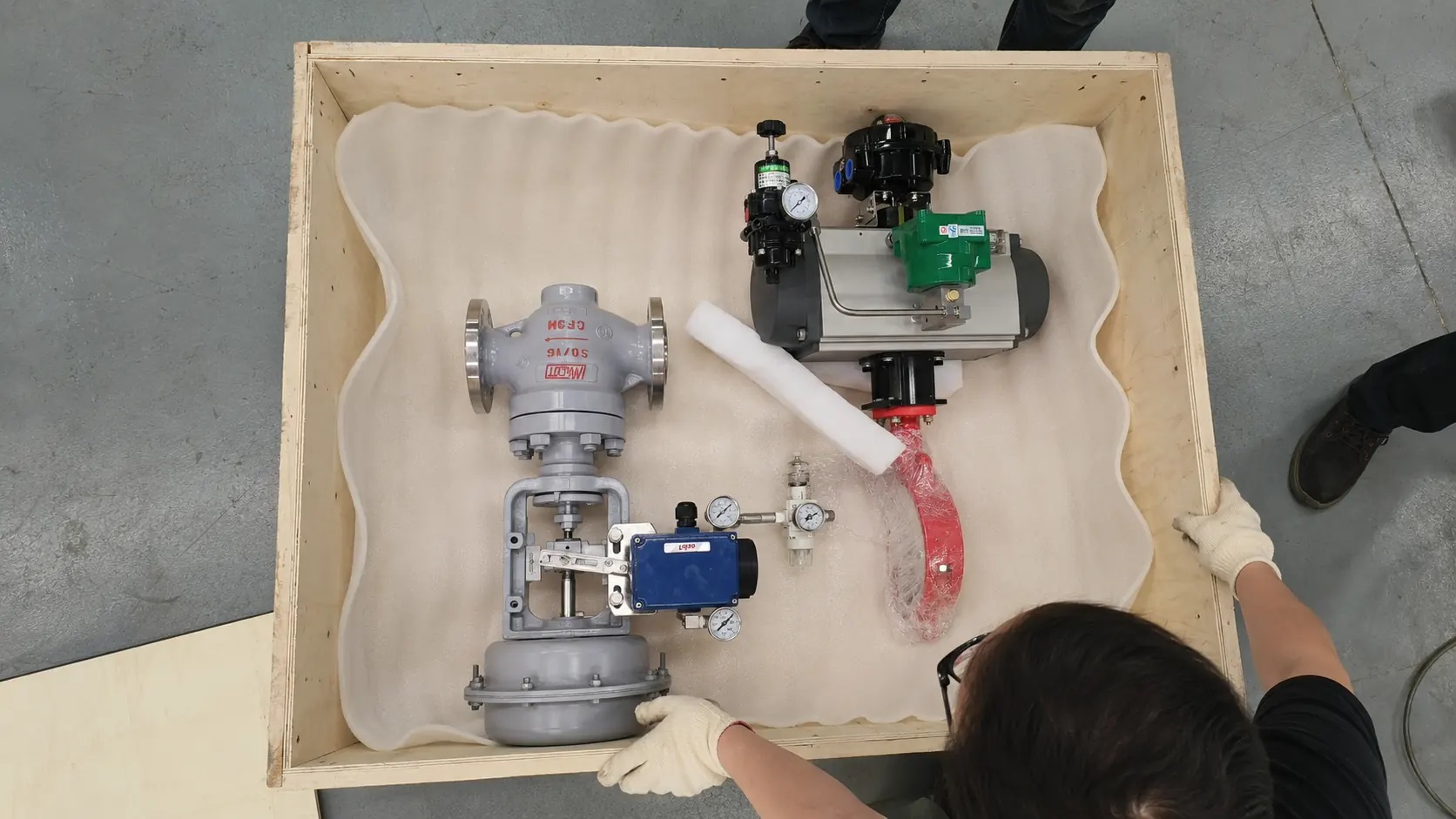
Clean operating conditions contribute significantly to solenoid valve efficiency. Dust, debris, and unwanted particles can affect internal components and influence the movement of fluids. Regular cleaning helps preserve functionality and encourages dependable operation.
Consider these maintenance activities:
- Remove External Dust: Keep exposed valve surfaces clean through suitable cleaning methods.
- Check Internal Passages: Inspect accessible flow channels for unwanted material accumulation.
- Maintain Fluid Quality: Use appropriate filtration to reduce contaminant entry.
- Protect Moving Parts: Follow recommended procedures to maintain smooth component movement.
- Inspect Filters: Clean or replace filtration elements according to maintenance schedules.
- Use Suitable Cleaning Materials: Select methods compatible with valve construction and sealing materials.
- Improving Electrical and Mechanical Performance
Solenoid valves depend on coordinated electrical and mechanical functions. Maintaining both areas helps support accurate switching, responsive operation, and consistent flow regulation.
Important care strategies include:
- Verify Voltage Compatibility: Ensure the electrical supply matches the valve specifications.
- Monitor Switching Response: Observe opening and closing performance during normal operation.
- Check Coil Resistance: Perform suitable electrical tests according to maintenance guidelines.
- Review Operating Pressure: Maintain pressure within the recommended operating range.
- Examine Moving Components: Confirm that internal mechanisms operate smoothly.
- Follow Installation Guidelines: Maintain correct alignment and secure connections.
- Building an Effective Preventive Maintenance Schedule
A planned maintenance routine makes equipment care more organized and productive. It also helps maintenance teams manage inspections without unnecessary interruptions to regular operations.
An effective schedule should include:
- Daily Monitoring: Observe unusual sounds, flow changes, and operating variations.
- Weekly Inspections: Review external condition and electrical connections.
- Monthly Assessments: Examine seals, filters, and accessible internal components.
- Scheduled Testing: Evaluate switching response and operating consistency.
- Maintenance Records: Document inspections, servicing activities, and component replacements.
- Timely Component Replacement: Install suitable replacement parts when maintenance guidelines recommend them.
Conclusion
Better solenoid valve care supports equipment efficiency through consistent inspections, proper cleaning, electrical assessments, and preventive maintenance. These practices encourage accurate flow control, dependable switching, and improved operational stability. By following suitable maintenance procedures and selecting compatible components, equipment operators can promote longer service life and productive workflows. Exploring in https://www.vincervalve.com/de/ can also support informed equipment decisions and help maintain consistent performance across different applications.