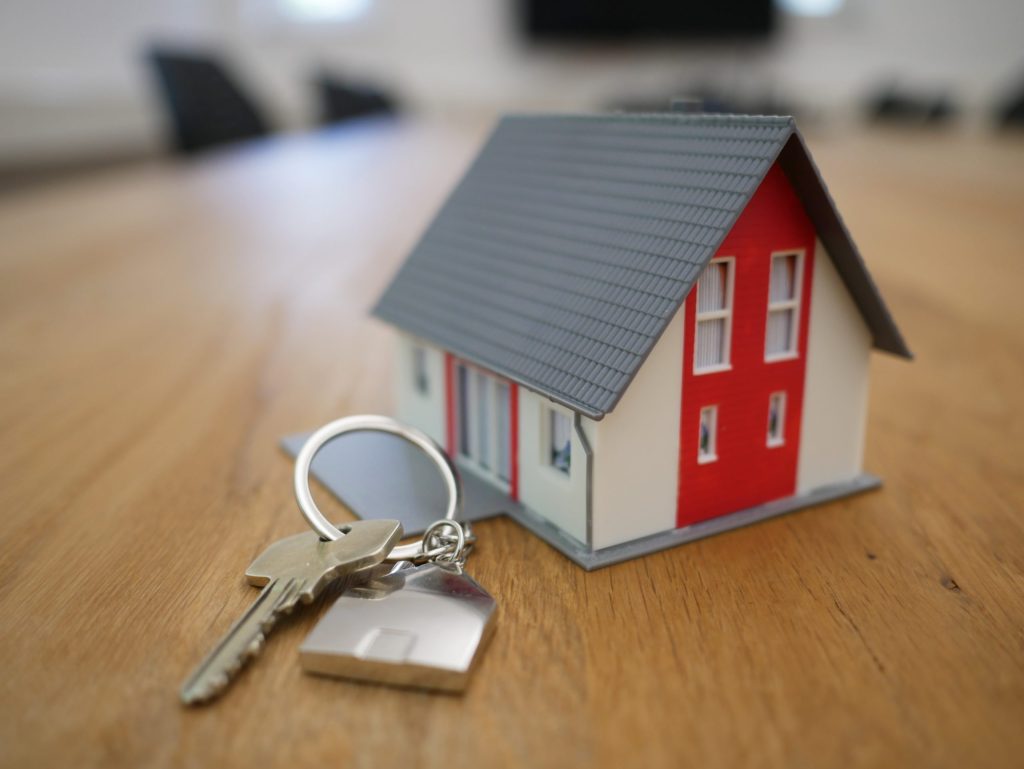
Sustainable housing has rapidly emerged as a defining trend in modern construction, reshaping how people view comfort, efficiency, and long-term value. Eco-friendly building practices are no longer niche innovations they have become essential components of desirable, future-ready homes. As more homeowners and developers prioritize sustainability, environmentally conscious construction continues to elevate the overall appeal of contemporary living spaces.
Building Materials that Boost Sustainability
One of the most impactful shifts in modern construction is the widespread adoption of eco-friendly materials. These options help reduce waste, conserve resources, and enhance the longevity of residential structures.
Key material advantages include:

- Recycled Content: High-quality recycled metal, glass, and composite materials minimize environmental impact while maintaining structural strength.
- Responsibly Sourced Wood: Engineered timber alternatives support sustainable forestry and reduce carbon emissions during manufacturing.
- Low-VOC Products: Paints, adhesives, and finishes with reduced volatile organic compounds support healthier indoor environments.
These innovations not only improve durability but also contribute to cleaner air, reduced environmental strain, and long-term cost efficiency.
Energy-Smart Design Enhances Everyday Living
Energy-efficient construction practices play a major role in elevating the appeal of modern homes and click to read more https://www.boekweitolie.nl/ and gain ideas. By integrating smart design principles, builders create living spaces that consume less power and deliver greater comfort.
Energy-focused features include:
- Superior Insulation: Advanced insulation materials regulate indoor temperatures more effectively.
- Optimized Window Placement: Thoughtful design techniques maximize natural light and airflow, decreasing reliance on artificial systems.
- Energy-Efficient Appliances: Homes built with high-performance appliances simplify daily living while minimizing utility costs.
These energy-smart strategies support a more sustainable lifestyle while enhancing long-term homeowner satisfaction.
Water Conservation as a Core Design Element
Modern eco-friendly housing places strong emphasis on responsible water use. Innovative systems help prevent waste and maintain resource efficiency without compromising comfort.
Common water-saving components include:
- Low-Flow Fixtures: Precision-engineered faucets and showerheads maintain performance while reducing consumption.
- Smart Irrigation Systems: Automated solutions help optimize landscape hydration.
- Efficient Plumbing Layouts: Streamlined designs minimize water loss and improve long-term system reliability.
These solutions not only protect valuable resources but also contribute to a more cost-effective living environment.
Healthier Indoor Spaces Shape the Future of Home Design
Eco-friendly construction practices extend beyond materials and resource conservation they also prioritize occupant well-being. A focus on cleaner air, non-toxic interiors, and balanced ventilation creates healthier living environments.
Wellness-driven design elements often include:
- Natural Lighting Strategies that elevate mood and productivity.
- Air Purification Enhancements built directly into heating and cooling systems.
- Thermal Comfort Innovations that reduce stress on indoor climates.
A Strong, Positive Outlook for Modern Housing
As sustainability continues to guide construction innovation, eco-friendly practices are helping shape a brighter, more efficient future for residential living. With benefits spanning long-term savings, improved comfort, and reduced environmental impact, these methods greatly enhance the appeal of modern homes making sustainable housing a preferred choice for developers and buyers alike.