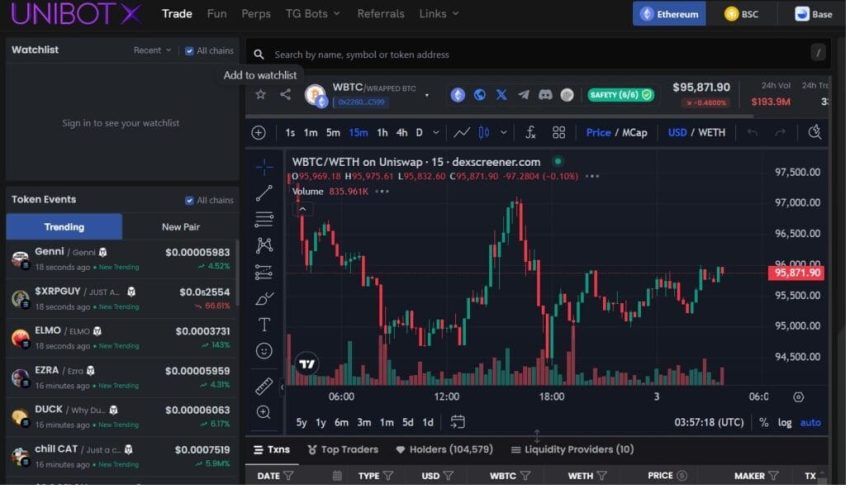
Market activity can create many possibilities for users who value timely information, organized observation, and efficient decision making. A structured approach helps bring important movements into clearer focus while reducing unnecessary effort. With automated monitoring and organized alerts, users can maintain a consistent view of changing conditions and recognize potential opportunities with greater convenience. The approach encourages thoughtful preparation, flexible strategies, and efficient market awareness.
Improve Market Opportunity Awareness
Efficient monitoring can help users organize market information and maintain a smoother observation process. When useful signals are presented clearly, attention can remain focused on meaningful developments.
- Monitor changing market conditions through organized updates.
- Identify notable movements with greater clarity.
- Keep important information accessible during active periods.
- Reduce the time required for repeated market observation.
- Support consistent attention toward relevant opportunities.
- Organize information into a simple and understandable flow.
A well-structured monitoring routine can also improve confidence in handling large amounts of information. By bringing useful observations together, users can spend more time evaluating possibilities and less time searching through scattered updates. This creates a practical foundation for maintaining awareness while adapting to changing market activity.
Support Faster Information Tracking

Timely information can make market monitoring more efficient, especially when conditions develop quickly. The ARC sniper bot telegram approach can support streamlined tracking by helping users receive organized updates and maintain awareness of notable changes.
- Receive relevant market signals in a timely manner.
- Follow developing trends through structured information.
- Maintain awareness without constant manual checking.
- Highlight potentially important changes for closer observation.
- Improve workflow efficiency through automated monitoring.
- Keep tracking activities organized throughout different market conditions.
Faster access to information does not replace thoughtful evaluation. Instead, it can provide a useful starting point for reviewing market developments, comparing available information, and considering suitable approaches. A streamlined process allows users to build routines that remain practical and adaptable.
Build A More Organized Monitoring Routine
Consistency is valuable when observing markets over extended periods. A dependable monitoring routine can make information gathering easier while supporting a clearer understanding of ongoing activity.
- Establish regular observation habits.
- Review market movements through organized updates.
- Track developing patterns with improved visibility.
- Keep attention focused on meaningful information.
- Adjust monitoring preferences as conditions evolve.
- Maintain a clear workflow for reviewing new developments.
An organized routine can also encourage better preparation. Users can define what information matters most, observe changes at a comfortable pace, and refine their process based on new observations. This creates a flexible environment for continued learning and market awareness.
Encourage Flexible Opportunity Discovery
Market opportunities can develop through many different movements, making adaptability an important part of effective monitoring. Streamlined information tracking can help users remain prepared while exploring changing possibilities.
- Discover emerging movements through timely observations.
- Compare different signals before forming conclusions.
- Adapt monitoring habits as market conditions change.
- Maintain a broader perspective during active periods.
- Support efficient research and information review.
- Develop a repeatable approach to opportunity tracking.
A focused monitoring process brings structure, speed, and convenience together. By organizing relevant information, encouraging consistent observation, and supporting flexible analysis, users can create a smoother way to explore market opportunities. This balanced approach helps make market monitoring more efficient while leaving room for informed personal evaluation and continuous improvement.