
Direct Memory Access hardware offers an interesting area for studying computer architecture and efficient data movement. Understanding its requirements can help readers learn how compatible components communicate, manage transfers, and operate within a larger computing environment while keeping research focused on legitimate technical applications.
- Compatible interfaces support reliable hardware communication.
- Memory architecture influences how data transfers are managed.
- Power requirements help determine suitable system configurations.
- Hardware controllers coordinate specific transfer operations.
- Physical compatibility supports practical installation considerations.
Exploring Connectivity Features
Connectivity plays an important role when examining specialized hardware. Different interfaces can provide different communication capabilities, making it useful to understand connection types, transfer characteristics, and compatibility requirements before evaluating a particular hardware configuration.
- Interface standards describe communication capabilities.
- Connection types influence hardware compatibility.
- Transfer characteristics provide useful performance information.
- Connector specifications support accurate system planning.
- Communication pathways help explain device interaction.
Examining Performance Characteristics
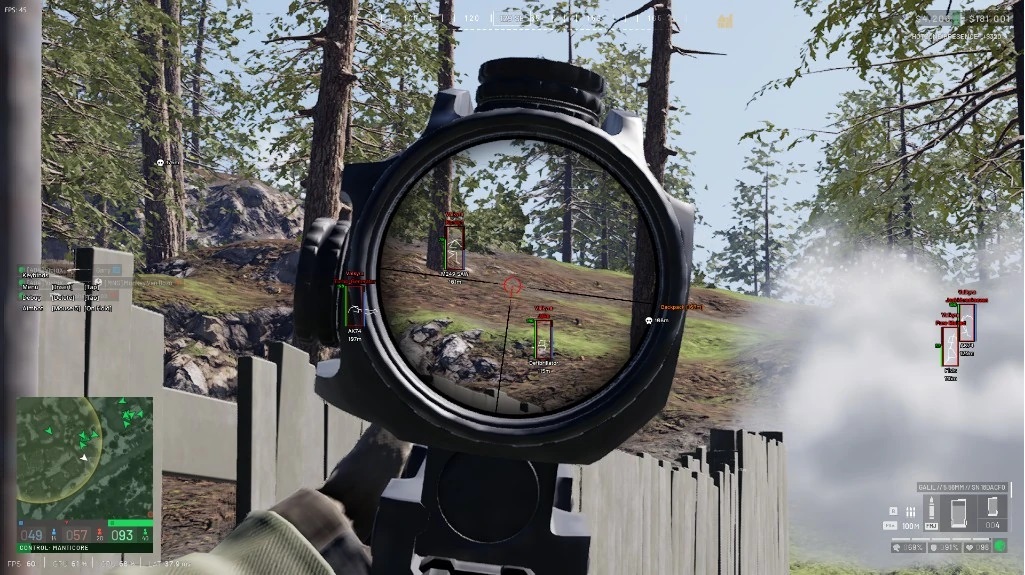
Performance features provide valuable information about how hardware handles data and interacts with system resources. Researching transfer efficiency, latency, memory handling, and processing requirements can create a clearer understanding of the technical qualities that influence overall operation.
- Transfer efficiency can affect data movement.
- Latency measurements provide useful performance insights.
- Memory capacity can influence supported workloads.
- Processing requirements help explain resource usage.
- Consistent testing supports meaningful technical comparisons.
Reviewing Physical Hardware Features
Physical characteristics are also important when evaluating specialized equipment. Dimensions, cooling, component arrangement, power delivery, and construction can influence installation, reliability, and long-term usability within a suitable computing environment.
- Compact dimensions can support flexible integration.
- Cooling features can encourage stable operation.
- Component layouts influence installation requirements.
- Power delivery contributes to dependable performance.
- Durable construction can support continued hardware use.
Understanding Security Requirements
DMA technology is an important subject in hardware security research because direct memory access requires appropriate safeguards. Examining protection mechanisms can help researchers understand how systems manage device permissions and protect memory resources from unauthorized interactions.
- Access controls can strengthen system protection.
- Device validation can support safer hardware environments.
- Memory safeguards can reduce unwanted access.
- Security testing can reveal areas for improvement.
- Responsible research encourages stronger technical practices.
Researching Hardware Documentation
Technical documentation provides useful information for understanding hardware requirements and capabilities. Discussions involving wardogs dma cheats may attract attention to DMA-related terminology, but responsible research should remain focused on legitimate hardware architecture, documented specifications, system compatibility, and security-conscious applications.
- Technical specifications clarify hardware capabilities.
- Documentation can explain compatibility requirements.
- Performance information supports objective evaluation.
- Hardware terminology improves technical understanding.
- Detailed references encourage informed research.
Encouraging Responsible Hardware Exploration
Learning about hardware requirements can build stronger knowledge of computer architecture, memory systems, peripheral communication, and security. Careful research encourages users to evaluate technical features objectively while maintaining responsible practices throughout the learning process.
- Hardware education strengthens technical foundations.
- Specification analysis encourages analytical thinking.
- Security awareness supports responsible experimentation.
- Compatibility research improves system planning.
- Continued learning can inspire future hardware innovation.
Supporting Future Technical Development
Ongoing research into hardware features can contribute to better understanding of efficient data transfer and system integration. As technical knowledge grows, careful evaluation of architecture, performance, compatibility, and security can encourage constructive innovation across computer hardware research.
- Improved designs can support efficient data movement.
- Better compatibility can simplify hardware integration.
- Security-focused development can strengthen system confidence.
- Detailed research can reveal new technical possibilities.
Continued investigation can encourage meaningful innovation