
In today’s fast-paced world, the complexities of life can often feel overwhelming. Relationships, career choices, personal growth, and mental health challenges are just a few of the areas where individuals might seek support. Expert counseling guidance serves as a beacon of hope, offering the tools and insights necessary to navigate these complexities and build a fulfilling future together. Counseling is not merely about addressing problems; it is about fostering growth and empowerment. Skilled counselors possess the ability to listen empathetically, helping clients articulate their thoughts and feelings in a safe environment. This process is transformative. It encourages self-reflection, enabling individuals to understand their motivations, strengths, and areas for improvement. By providing a space for open dialogue, counselors facilitate the exploration of past experiences, which can illuminate patterns that may be hindering personal or relational progress.

Collaboration is at the heart of effective counseling. Whether working with couples, families, or individuals, the goal is to create a partnership that fosters trust and respect. Counselors employ various therapeutic techniques tailored to meet the unique needs of their clients. Techniques such as cognitive-behavioral therapy CBT, narrative therapy, or solution-focused brief therapy can empower individuals to set achievable goals and develop effective coping strategies. These approaches not only address immediate concerns but also equip clients with skills for future challenges. Moreover, Aurisha Smolarski couples therapy california expert counseling guidance promotes emotional intelligence, helping individuals to recognize and manage their emotions effectively. This skill is crucial in building healthier relationships and improving communication. By understanding their emotional landscape, clients can engage with others in more constructive and meaningful ways, fostering deeper connections and reducing conflict.
The benefits of counseling extend beyond the individual. When couples or families seek guidance together, they learn to work through their differences and strengthen their bonds. Counseling fosters a culture of understanding and support, enabling all members to express their needs and desires openly. This collaborative approach cultivates resilience, ensuring that families can weather life’s storms together. As you consider the path to building a brighter future, remember that expert counseling guidance can be a vital resource. It is an investment in yourself and your relationships, providing the support needed to foster personal growth and connection. By embarking on this journey, you are not only addressing the challenges of today but also laying a strong foundation for a fulfilling tomorrow. With the right guidance, you can create a future filled with hope, understanding, and shared aspirations.

 The
The 

 Another important nutrient is vitamin D, often referred to as the sunshine vitamin. It plays a role in brain function and has been associated with reduced risk of depression. Since vitamin D is synthesized in the skin through sunlight exposure, people in areas with limited sunlight may be at higher risk for deficiency and, consequently, mood disturbances. Antioxidants, found in fruits and vegetables, also play a role in mental health. They help protect the brain from oxidative stress and inflammation, which are linked to neurodegenerative diseases and mood disorders. Foods rich in antioxidants, such as berries, nuts, and green leafy vegetables, support overall brain health and can contribute to improved mental clarity and reduced anxiety. Additionally, the gut-brain axis a complex communication network between the gut and the brain illustrates how diet impacts mental health.
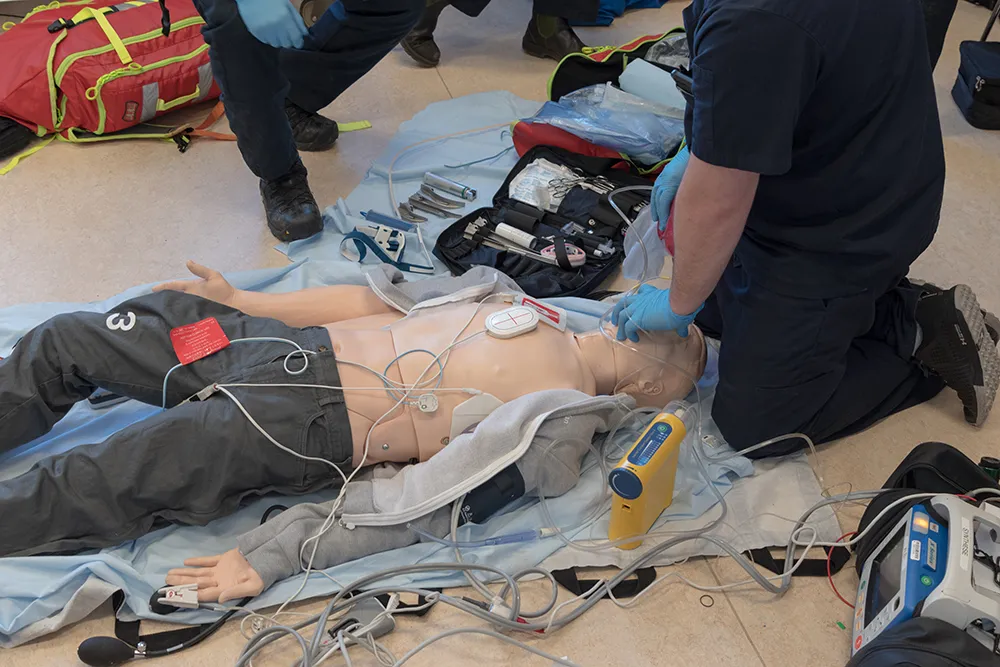 It is important to remember that CPR may be physically demanding, especially when performed for an extended period. However, your efforts can make the difference between life and death. Even if you are untrained or have not practiced CPR in a while, it is better to try and provide assistance than to do nothing at all. Many organizations and institutions offer CPR training courses, ranging from basic to advanced levels. These courses typically include hands-on practice with mannequins, which help build confidence and competence in performing CPR. Aside from the technical skills, being prepared mentally and emotionally is also essential when performing CPR. Remaining calm, focused and confident in your abilities can be as crucial as the physical actions themselves